
In the world of modern architecture and interior design, materials that combine structural integrity with visual appeal are highly sought after. One such remarkable innovation is laminated glass metal mesh—a sophisticated building material that brings together the best properties of glass and metal to create stunning, functional surfaces for various applications. This comprehensive guide explores everything you need to know about this extraordinary material, from its fundamental characteristics to its diverse uses in contemporary design.
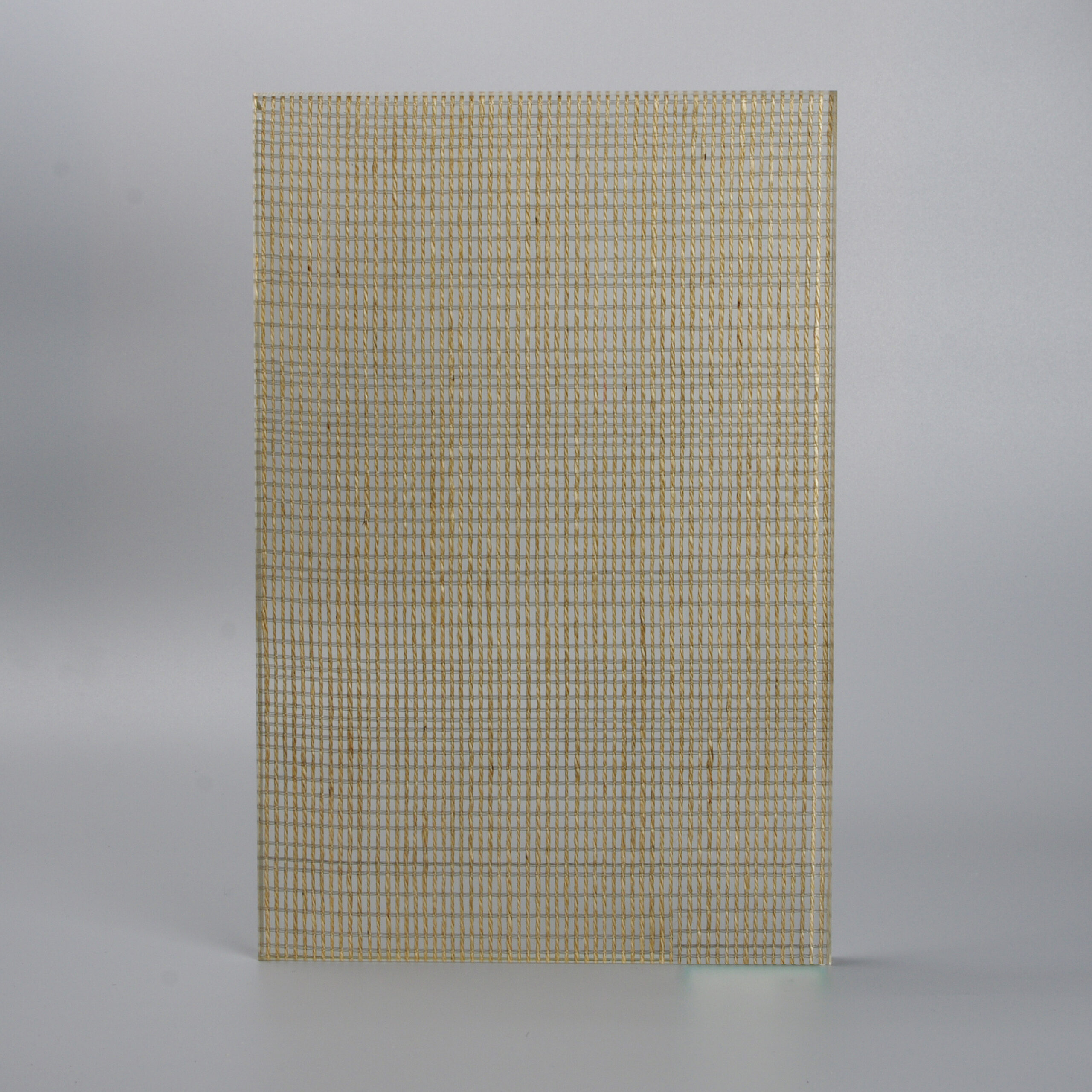
What Is Laminated Glass Metal Mesh?
Laminated glass metal mesh, also known as wired glass or metal mesh reinforced laminated glass, is a specialized glass product that incorporates a layer of fine metal mesh sandwiched between two or more layers of glass. The glass layers are bonded together using polyvinyl butyral (PVB) or ethylene-vinyl acetate (EVA) interlayers, creating a composite material that offers enhanced safety, thermal performance, and aesthetic value.
The metal mesh embedded within the glass can be crafted from various materials, including stainless steel, copper, brass, or aluminum, each offering distinct visual and functional properties. The mesh pattern can range from simple square grids to intricate woven designs, allowing designers to achieve specific aesthetic effects while maintaining structural benefits.
Key Characteristics and Benefits
Exceptional Safety Features
One of the most significant advantages of laminated glass metal mesh is its superior safety performance. When impact occurs, the glass fragments adhere to the interlayer rather than shattering into dangerous shards, dramatically reducing the risk of injury. The metal mesh provides additional structural reinforcement, making the glass more resistant to break-ins and vandalism. This makes it an ideal choice for security-sensitive applications such as banks, government buildings, and high-end residential properties.
Fire Resistance Properties
Metal mesh reinforced laminated glass offers excellent fire resistance capabilities. The metal mesh helps maintain the integrity of the glass panel during exposure to high temperatures, preventing it from collapsing and blocking flames and smoke from spreading. This property makes it a popular choice for fire-rated partitions, stairwell enclosures, and industrial facilities where fire safety is paramount.
Thermal and Acoustic Performance
The multi-layered construction of laminated glass metal mesh provides excellent thermal insulation, helping to regulate indoor temperatures and reduce energy costs. Additionally, the composite structure effectively dampens sound vibrations, offering superior acoustic insulation compared to traditional glass. This makes it particularly suitable for office buildings, hotels, and residential developments in noisy urban environments.
Aesthetic Versatility
Perhaps the most captivating aspect of laminated glass metal mesh is its visual appeal. The embedded metal mesh creates unique visual effects that change throughout the day as natural light shifts. The mesh can be customized in various patterns, densities, and finishes, enabling designers to create distinctive looks that range from industrial chic to elegant sophistication. From the warm copper tones reminiscent of woven metal interiors to sleek stainless steel finishes for contemporary spaces, the design possibilities are virtually limitless.
Applications in Modern Architecture
Interior Design Elements
Laminated glass metal mesh has become increasingly popular in interior design applications. It is commonly used for:
- Decorative partitions and room dividers: Creating visual separation while maintaining an open, airy feel
- Elevator cab walls and doors: Adding luxury and sophistication to vertical transportation
- Staircase railings and balustrades: Combining safety with artistic expression
- Feature walls and backdrop panels: Serving as striking focal points in lobbies and reception areas
- Furniture applications: Tabletops, cabinet doors, and shelving units
Exterior Façade Cladding
In exterior applications, laminated glass metal mesh is utilized for:
- Building façade panels: Providing visual interest and sun shading
- Canopy structures: Creating dramatic covered entrance areas
- Balcony railings: Offering safety with contemporary aesthetics
- Sunshades and louvers: Controlling light and heat gain while adding architectural character
Specialized Industrial Uses
The material’s durability and safety properties make it suitable for various industrial applications:
- Machine guarding and safety screens: Protecting workers while maintaining visibility
- Display cases and exhibition vitrines: Showcasing valuable artifacts securely
- Transportation vehicles: Windows and partitions for trains, buses, and marine vessels
Design Considerations and Customization Options
When specifying laminated glass metal mesh for your project, several factors should be considered:
Mesh Material Selection
The choice of metal mesh material significantly impacts both aesthetics and performance. Stainless steel offers excellent corrosion resistance and a contemporary appearance, while copper and brass provide warm, luxurious tones that develop beautiful patinas over time. Aluminum offers lightweight versatility and can be anodized in various colors.
Mesh Pattern and Density
Mesh patterns can be customized to achieve specific visual effects. Dense mesh patterns provide greater privacy and solar control, while open patterns allow maximum light transmission. Woven mesh patterns create textural interest similar to the woven metal interior collections, while regular grid patterns offer a more structured, industrial aesthetic.
Glass Configuration
Laminated glass metal mesh can be produced in various configurations:
- Annealed or heat-strengthened glass: For standard applications
- Low-iron glass: For maximum clarity and light transmission
- Tinted or colored glass: For solar control and aesthetic variety
- Double or triple laminations: For enhanced performance requirements
Maintenance and Care
Maintaining laminated glass metal mesh is relatively straightforward. Regular cleaning with mild soap and water, followed by rinsing and drying, is typically sufficient to keep the surface looking its best. Avoid using abrasive cleaners or tools that could scratch the glass or damage the mesh. For specialized finishes or complex configurations, consult manufacturer guidelines for specific maintenance recommendations.
Conclusion
Laminated glass metal mesh represents a remarkable convergence of safety, functionality, and aesthetic appeal. Its unique combination of properties makes it an excellent choice for architects and designers seeking materials that perform exceptionally well while creating visually stunning environments. Whether used in elegant interior applications like those featured in woven metal interior collections or in demanding industrial settings, this innovative material continues to redefine the possibilities of modern architectural design.
As technology advances and design preferences evolve, laminated glass metal mesh is poised to play an increasingly important role in shaping contemporary built environments. Its versatility, safety features, and timeless aesthetic appeal ensure that it will remain a favored choice for years to come.
Keywords: laminated glass metal mesh, wired glass, metal mesh reinforced glass, decorative glass partitions, architectural glass, safety glass, fire-rated glass, interior design materials, modern architecture, glass facade, metal mesh interiors, woven metal panels, architectural metal mesh, glass partitions, commercial glass, residential glass, fire safety glass, security glass, acoustic glass, thermal insulation glass