
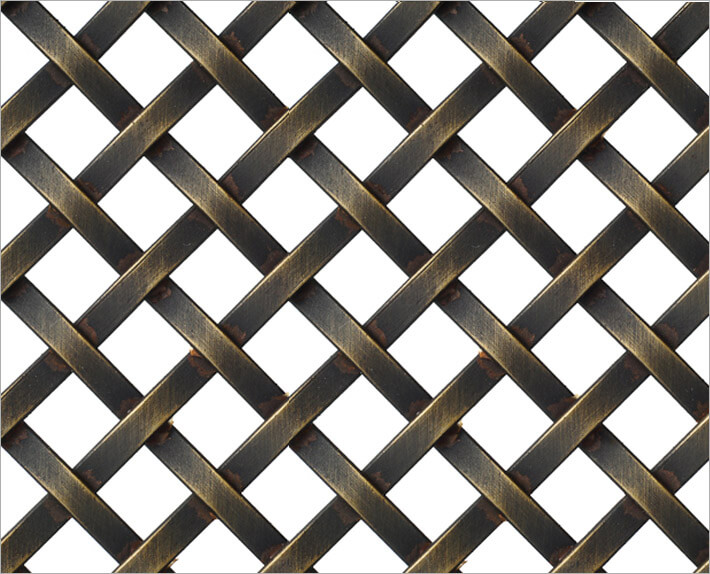
In the world of interior design and architectural finishes, few materials possess the enduring appeal and sophisticated character of antique brass. As designers, architects, and property developers increasingly seek materials that combine historical charm with contemporary functionality, antique brass wall covering has emerged as a premier choice for residential, commercial, and hospitality projects worldwide. This comprehensive guide explores the exceptional qualities, applications, and business opportunities surrounding antique brass wall coverings, offering valuable insights for importers, distributors, and design professionals seeking to incorporate this magnificent material into their portfolios.
Understanding Antique Brass Wall Covering: A Material of Distinction
Antique brass wall covering represents a sophisticated category of decorative metal panels and sheets engineered specifically for interior wall applications. Unlike standard brass finishes that display uniform brightness, antique brass undergoes specialized aging processes and chemical treatments that develop rich, layered patinas characterized by deep browns, warm golds, and subtle verdigris undertones. This deliberate aging process creates visual depth and character that mimics the appearance of brass pieces that have evolved naturally over decades or even centuries, lending an air of established elegance to any space where they are installed.
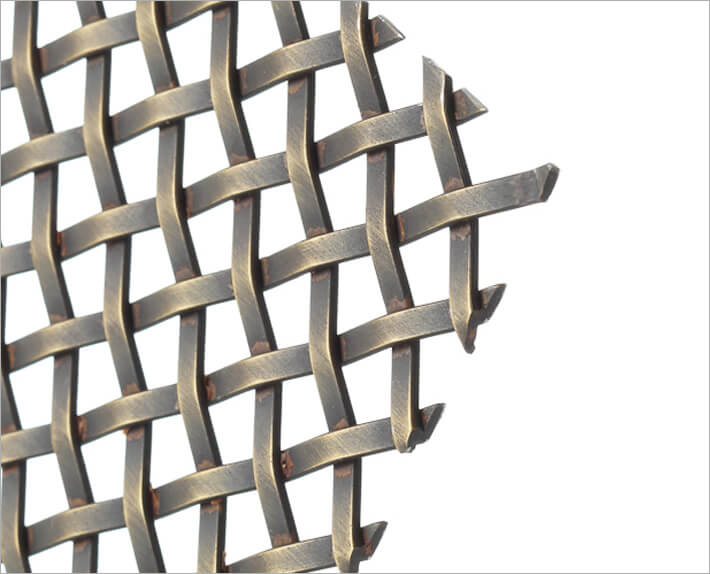
The manufacturing of premium antique brass wall covering involves multiple stages of precision engineering and surface treatment. High-quality brass alloys, typically composed of copper and zinc in carefully calibrated proportions, form the base material. These sheets then undergo processes including chemical aging, hand-finishing, protective coating application, and quality inspection. The result is a durable, visually stunning wall covering that maintains its beauty while withstanding the demands of interior environments. Modern manufacturing techniques have refined these traditional methods, allowing for consistent quality control while preserving the authentic character that makes antique brass so desirable in the first place.
Quality antique brass wall covering distinguishes itself through several defining characteristics. The surface displays intentional variation in color and texture, with darker patinas developing in recessed areas while raised surfaces maintain warmer, more golden tones. This natural-looking variation prevents the artificial uniformity that plagues lower-quality imitations and contributes significantly to the material’s authentic appeal. Additionally, premium antique brass finishes feature protective clear coatings that prevent excessive oxidation while allowing the material to breathe and develop additional character over time, ensuring that each installation ages gracefully and uniquely within its specific environment.
The Growing Market Demand for Brass Interior Finishes
The global interior design market has witnessed a substantial shift toward metallic and metallic-look finishes over the past decade, with brass experiencing particular resurgence across residential, commercial, and hospitality sectors. This renewed interest stems from multiple converging factors, including the popularity of industrial and vintage-inspired design aesthetics, increasing consumer appreciation for authentic materials over synthetic alternatives, and the versatility that brass offers in complementing diverse color schemes and design philosophies. Industry analysts project continued growth in the metallic finish market, with brass specifically maintaining strong performance due to its unique combination of warmth, sophistication, and adaptability.
Commercial applications have driven significant demand for antique brass wall covering in recent years. Luxury hotels, high-end restaurants, boutique retail environments, and corporate headquarters increasingly specify brass finishes to communicate quality, permanence, and refined taste. The hospitality sector, in particular, has embraced antique brass wall covering for lobby installations, elevator cab interiors, suite accents, and signature design features that create memorable guest experiences. This commercial adoption has established brass wall covering as a premium finish category rather than a niche product, expanding its market reach and validating its position in the design conversation.
Residential designers have similarly embraced antique brass wall covering for accent walls, kitchen backsplashes, bathroom vanities, and built-in entertainment centers. The material’s ability to add visual warmth without overwhelming a space makes it particularly appealing for contemporary interiors that balance modern minimalism with touches of luxurious detail. Furthermore, the durability and easy maintenance of properly finished antique brass have addressed historical concerns about brass care, making it practical for residential applications where homeowners previously might have hesitated to specify untreated brass products.
Applications and Installation Possibilities
The versatility of antique brass wall covering enables its application across an extraordinary range of interior contexts, each benefiting from the material’s unique aesthetic and functional properties. In residential settings, designers frequently employ brass wall panels as dramatic accent features in living rooms, dining areas, and master bedrooms, where the material’s rich patina creates sophisticated focal points that anchor room designs. Kitchen applications have grown particularly popular, with antique brass backsplashes and range hoods adding warmth to often-cool stainless steel appliance environments while providing durable, easy-to-clean surfaces that withstand the demands of food preparation areas.
Commercial and hospitality environments offer even broader application possibilities for antique brass wall covering. Hotel lobbies frequently feature floor-to-ceiling brass panel installations that establish immediate impressions of luxury and permanence upon guest arrival. Restaurant designers specify brass wall covering for bar fronts, dining area accents, and private dining room features, where the material’s ability to develop patina over time creates authentic atmosphere that synthetic alternatives simply cannot replicate. Corporate environments, particularly in financial services, law firms, and executive offices, utilize brass wall covering to communicate stability, success, and timeless professional achievement.
Installation methodologies for antique brass wall covering have evolved to accommodate diverse project requirements and substrate conditions. Traditional methods involve mechanical fastening systems including screws, clips, and Z-clips that allow for secure attachment while accommodating thermal expansion and contraction. Adhesive-based installation provides alternative approaches for appropriate substrates, with modern construction adhesives offering strong, lasting bonds when properly applied. Some manufacturers offer interlocking panel systems specifically designed for brass wall covering, simplifying installation while creating seamless visual appearances across large wall areas. Professional installation is recommended for complex applications, though straightforward residential projects may be accomplished by experienced contractors familiar with metal finishing installation techniques.
Design Combinations and Aesthetic Partnerships
Successful interior design with antique brass wall covering depends significantly on thoughtful color and material pairings that complement rather than compete with the brass finish. Natural wood tones, particularly rich walnuts, warm oaks, and exotic veneers, create exceptional partnerships with antique brass, as the organic warmth of wood harmonizes naturally with brass patinas. This combination appears frequently in residential libraries, executive offices, and boutique hotel environments where sophisticated masculine aesthetics prevail. The contrast between brass’s metallic luminosity and wood’s matte organic texture creates visual interest while maintaining cohesive design language.
White and cream color schemes provide elegant backdrops that allow antique brass wall covering to serve as primary focal elements without competing for visual attention. Bathrooms featuring white marble surfaces, white lacquer vanities, and antique brass wall accents exemplify this pairing’s appeal, combining freshness with warmth in spaces that benefit from both qualities. Similarly, living rooms and bedrooms with neutral gray, taupe, or cream wall treatments can incorporate brass panels as accent features that add dimension without overwhelming the space’s tranquil character.
Glass and mirror combinations with antique brass create glamorous Art Deco-inspired aesthetics particularly suited to entertainment areas and luxury hospitality environments. Brass-framed mirrors, brass-accented glass partitions, and brass wall covering adjacent to mirror installations multiply light reflections while establishing sophisticated visual depth. This combination appeals particularly to designers working within contemporary luxury, Hollywood Regency, and glamorous transitional aesthetics where reflective surfaces contribute significantly to overall design impact.
Manufacturing Quality and Sourcing Considerations
Importers and distributors evaluating antique brass wall covering suppliers must understand the critical quality differentiators that separate premium products from inferior alternatives. Base material quality significantly impacts final product performance, with high-grade brass alloys providing superior durability, more consistent finishing results, and better long-term patina development compared to recycled or lower-quality metal compositions. Premium manufacturers typically specify alloy compositions and source materials from established metal suppliers with documented quality certifications, ensuring consistency across production batches and order fulfillment.
Surface finishing processes distinguish exceptional antique brass wall covering from merely adequate products. Hand-finishing techniques that experienced craftspeople apply after mechanical processes create authentic variation and character that automated methods struggle to replicate. Quality control protocols should include visual inspection under multiple lighting conditions, thickness verification across panel dimensions, and adhesion testing for protective coatings. Manufacturers committed to consistent quality maintain documented inspection procedures and welcome or even encourage quality audits from serious commercial buyers.
Lead times, minimum order quantities, and shipping logistics represent practical considerations for international importers evaluating antique brass wall covering suppliers. Established manufacturers typically maintain inventory of popular finishes and standard panel sizes while accommodating custom specifications for projects with specific requirements. Communication clarity regarding production timelines, quality expectations, and shipping arrangements contributes significantly to successful long-term supplier relationships. Prospective importers should request sample materials before committing to substantial orders, evaluating product quality firsthand and establishing benchmarks for future batch consistency.
Competitive Advantages for Business Development
Distributors and retailers adding antique brass wall covering to their product portfolios gain access to a premium category that commands strong margins and attracts design-conscious customers. The material’s positioning at the intersection of luxury aesthetics and practical functionality enables marketing approaches emphasizing quality, durability, and design flexibility rather than competing solely on price. This positioning supports healthy profit margins while attracting clientele less sensitive to price fluctuations, contributing to stable and predictable business performance over time.
The product category’s relative novelty in many regional markets presents expansion opportunities for forward-thinking distributors. While antique brass wall covering has established presence in traditional luxury markets including North America, Western Europe, and Australia, significant growth potential exists in emerging markets where developing middle-class populations increasingly demand premium interior finishes. Distributors establishing supplier relationships and market presence in these growing regions position themselves advantageously for sustained business development as market awareness and demand expand.
Cross-selling opportunities abound for businesses offering antique brass wall covering alongside complementary product categories. Interior designers and architects working on projects requiring brass wall panels frequently need matching or coordinating products including brass trim pieces, custom fabrication services, installation accessories, and maintenance products. Developing comprehensive product offerings that address complete project requirements increases average transaction values while building customer loyalty through convenient single-source procurement.
Maintenance and Care for Longevity
Proper maintenance practices ensure antique brass wall covering maintains its beauty and structural integrity throughout its service life, protecting both initial investments and ongoing aesthetic quality. Routine cleaning requires only soft, dry or slightly damp cloths to remove dust and surface debris without abrasive action that might damage protective coatings or patina surfaces. For more thorough cleaning, mild soap solutions applied with soft cloths followed by immediate drying provide effective results without harsh chemical exposure that might compromise protective finishes.
Protective wax applications, typically carnauba-based or specialized metal protection products, can enhance durability and simplify ongoing maintenance for high-traffic installations. These sacrificial coatings provide additional barrier protection against fingerprints, minor abrasions, and environmental contaminants while maintaining the authentic character of the antique brass surface. Reapplication intervals depend on usage intensity and environmental conditions, with annual applications typical for residential installations and more frequent schedules appropriate for commercial environments with heavy wear.
Addressing occasional scratches or minor damage requires careful assessment and appropriate intervention techniques. Surface scratches affecting only protective coatings may be addressed through touch-up application of matching clear finishes. Deeper scratches penetrating to bare metal require more involved repair procedures that may benefit from professional attention. Establishing maintenance relationships with experienced metal finish professionals ensures proper care for valuable installations while developing in-house capabilities for routine maintenance tasks.
Future Trends and Market Outlook
The antique brass wall covering market continues evolving in response to broader design trends, manufacturing innovations, and changing consumer preferences. Sustainable manufacturing practices increasingly influence purchasing decisions, with environmentally conscious designers and developers seeking products manufactured with recycled materials, responsible energy consumption, and reduced chemical processing. Manufacturers responding to these preferences with documented sustainability commitments gain competitive advantages in design-conscious market segments.
Technological integration presents emerging opportunities for brass wall covering applications. Illuminated brass panels incorporating LED lighting elements create dramatic visual effects for hospitality and entertainment environments, combining material warmth with dynamic lighting possibilities. Digital printing technologies enable customization of brass surfaces with patterns, images, or design elements that extend creative possibilities beyond traditional uniform finishes. These technological applications expand the addressable market for brass wall covering while commanding premium pricing for innovative solutions.
Design trend forecasts suggest continued strength for metallic finishes in interior applications, with brass specifically maintaining its position among preferred premium options. The material’s flexibility in complementing diverse aesthetics, from industrial to traditional to contemporary, ensures its relevance across evolving design preferences. As global design communities increasingly value authentic materials with character and history, antique brass wall covering appears well-positioned to capitalize on these preferences while establishing itself as a permanent category within premium interior finish selections.
Conclusion: Embracing the Timeless Appeal of Antique Brass
Antique brass wall covering represents far more than a decorative finish option; it embodies a sophisticated approach to interior design that values authenticity, character, and enduring quality. From residential accent walls to grand commercial lobbies, this remarkable material transforms ordinary spaces into extraordinary environments that communicate refinement and permanent value. For businesses seeking to serve design-conscious markets with premium products, antique brass wall covering offers compelling advantages including strong margins, design flexibility, and alignment with sustainable, authentic material preferences that increasingly influence purchasing decisions across global markets.
The comprehensive guide presented here provides foundational knowledge for understanding, specifying, and distributing antique brass wall covering products. As markets continue developing and design preferences evolving, this category’s fundamental appeal ensures its continued relevance and commercial viability. Distributors, retailers, and design professionals who develop expertise in antique brass wall covering position themselves advantageously to serve growing demand while building reputations for quality and sophistication that extend well beyond any single product category.