
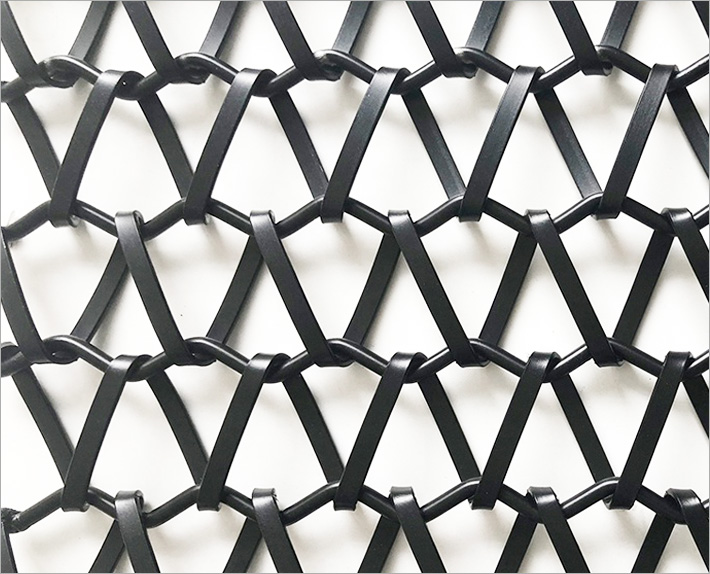
In contemporary interior design and architectural applications, the demand for innovative materials that blend functionality with aesthetic appeal has never been higher. Among the most versatile and visually striking options available to designers and architects today is aluminum black weave metal mesh for partition systems. This sophisticated material has emerged as a preferred choice for commercial spaces, residential projects, and institutional buildings seeking to create dynamic environments that balance privacy with openness, durability with elegance.
The evolution of metal mesh as a architectural element represents a broader shift in design philosophy toward materials that serve multiple purposes simultaneously. Unlike traditional solid partitions that create complete visual and physical barriers, aluminum black weave metal mesh for partition applications allows light to filter through while maintaining distinct spatial boundaries. This unique characteristic makes it an ideal solution for modern offices, retail environments, hotels, and residential spaces where the goal is to create defined areas without sacrificing the sense of openness that contemporary design principles often demand.
Understanding Aluminum Black Weave Metal Mesh for Partition Applications
Aluminum black weave metal mesh for partition installations is fabricated from high-quality aluminum alloys that undergo specialized weaving processes to create uniform, geometric patterns. The black finish is typically achieved through powder coating or anodizing, which not only provides the desired aesthetic appearance but also enhances the material’s resistance to corrosion, scratches, and environmental degradation. This combination of form and function positions aluminum black weave metal mesh as a superior alternative to traditional partition materials such as glass, wood, or solid metal panels.
The weaving process itself determines the final appearance and structural properties of the mesh. Various weave patterns are available, including plain weave, twill weave, and Dutch weave, each offering different levels of openness, strength, and visual interest. The choice of weave pattern directly impacts how much light passes through the partition, how much visual privacy is maintained, and what degree of airflow is permitted between spaces. Designers working with aluminum black weave metal mesh for partition projects can select from an extensive range of specifications to achieve the exact balance of functionality and aesthetics required for their specific applications.
One of the most significant advantages of using aluminum black weave metal mesh for partition systems is the material’s exceptional strength-to-weight ratio. Aluminum is inherently lightweight compared to steel or other metals, yet when woven into mesh form, it gains additional structural integrity that makes it capable of spanning considerable distances without requiring extensive supporting frameworks. This characteristic simplifies installation, reduces structural requirements, and ultimately lowers the overall cost of partition systems while maintaining professional appearance and long-term durability.
Key Benefits of Using Black Metal Mesh in Commercial and Residential Spaces
The adoption of aluminum black weave metal mesh for partition installations offers numerous advantages that explain its growing popularity across various industries. First and foremost, the material provides excellent durability that ensures partitions maintain their appearance and structural integrity over many years of use. Unlike fabric partitions that can fade, tear, or collect dust, or glass partitions that can chip, crack, or require frequent cleaning, black metal mesh partitions retain their like-new appearance with minimal maintenance requirements.
From a design perspective, aluminum black weave metal mesh for partition applications introduces visual texture and depth that plain materials cannot achieve. The interplay of light and shadow through the woven openings creates dynamic visual effects that change throughout the day as natural light angles shift. This inherent dynamism adds interest to interior spaces without requiring additional decorative elements, making black metal mesh partitions both functional and aesthetically valuable. The black finish itself serves as a sophisticated neutral that complements virtually any color scheme or design vocabulary, from industrial minimalism to contemporary luxury.
Another compelling benefit concerns sustainability and environmental considerations. Aluminum is one of the most recyclable materials available, and black metal mesh partitions can be fabricated from recycled content and fully recycled at the end of their useful life. This aligns perfectly with the growing emphasis on sustainable building practices and green architecture certifications that increasingly influence material selection in commercial and institutional projects. Designers specifying aluminum black weave metal mesh for partition systems can confidently address environmental requirements without compromising on design quality or performance expectations.
The acoustic properties of black metal mesh partitions also deserve attention. While not providing complete sound isolation, the mesh structure can help diffuse sound waves and reduce noise transmission between spaces when combined with appropriate backing materials. This makes aluminum black weave metal mesh for partition installations particularly suitable for open office environments where visual separation is desired without creating acoustically dead zones that can make communication difficult.
Expanded Metal Mesh Panel: A Related Solution for Modern Architecture
Beyond aluminum black weave metal mesh for partition applications, architects and designers frequently specify expanded metal mesh panel systems as complementary or alternative solutions. Expanded metal mesh panel differs from woven mesh in its manufacturing process, which involves slitting and stretching solid metal sheets rather than weaving individual wires. This process creates a rigid, interconnected lattice structure that offers excellent strength and dimensional stability without the need for additional framing in many applications.
Expanded metal mesh panel provides a more robust solution for applications where impact resistance or structural loading is a concern. The material’s inherent rigidity makes it suitable for wall cladding, ceiling panels, railing infills, and security barriers in addition to partition applications. When finished in black, expanded metal mesh panel creates visual consistency with woven mesh partitions while offering different performance characteristics that may better suit specific project requirements. The choice between woven and expanded metal mesh ultimately depends on factors including span requirements, loading conditions, budget constraints, and desired visual effects.
Perforated Metal Sheet Partition: Versatility in Design Applications
Perforated metal sheet partition systems represent another category of architectural mesh materials that designers often consider alongside aluminum black weave metal mesh for partition applications. Perforated metal is created by punching precise holes in solid metal sheets according to predetermined patterns, resulting in a material that offers controlled openness, excellent ventilation, and distinctive visual characteristics. The range of available hole patterns, sizes, and arrangements provides almost unlimited design flexibility for partition applications.
When comparing perforated metal sheet partition options with woven mesh solutions, designers find that perforated metal often provides higher opacity and greater privacy when smaller hole patterns are specified. The solid areas between perforations block more light and view than woven mesh of comparable openness, making perforated metal sheet partition suitable for applications where greater visual separation is required. Additionally, perforated metal sheets can be fabricated from various metals including aluminum, steel, and copper, allowing designers to select materials based on specific performance requirements, aesthetic preferences, and budget considerations.
The manufacturing precision possible with perforated metal sheet partition systems also enables the creation of custom patterns, logos, or decorative designs that can incorporate branding elements or artistic themes. This customization capability makes perforated metal particularly attractive for commercial applications where companies wish to reinforce brand identity through architectural elements. When considering aluminum black weave metal mesh for partition projects, designers should also evaluate whether perforated metal sheet partition alternatives might better serve specific design objectives.
Wire Mesh Room Divider: Creating Flexible Spatial Solutions
The concept of using wire mesh room divider solutions extends the functionality of traditional partition systems into the realm of flexible, adaptable space planning. Wire mesh room divider installations can be designed as permanent fixtures, semi-permanent partitions, or completely movable systems that allow spaces to be reconfigured according to changing needs. This adaptability is particularly valuable in commercial environments such as offices, showrooms, and event spaces where spatial requirements frequently change.
Modern wire mesh room divider systems often incorporate innovative hardware solutions that enable smooth operation while maintaining the visual appeal of the mesh material. Sliding partition systems, folding panels, and portable screen designs all benefit from the lightweight nature of aluminum mesh materials. The combination of aesthetic appeal and practical functionality makes wire mesh room divider solutions increasingly popular among facility managers and designers seeking flexible spatial solutions that do not compromise on design quality.
Installation Considerations and Best Practices
Successful implementation of aluminum black weave metal mesh for partition systems requires careful attention to installation details and engineering considerations. Professional installers must account for factors including structural support requirements, thermal expansion characteristics, and appropriate fastening systems that maintain tension while allowing for natural material movement. The specific installation method depends on whether the partition is designed as a freestanding system, a suspended ceiling application, or a wall-mounted solution.
When installing aluminum black weave metal mesh for partition projects, maintaining appropriate tension is crucial to prevent sagging or distortion that can compromise both appearance and functionality. Specialized tensioning hardware and proper frame design ensure that the mesh remains flat and uniform throughout its service life. Additionally, installers must consider edge finishing options that complement the overall design intent while providing safe, clean edges that will not fray or catch on clothing or equipment.
Maintenance and Longevity of Metal Mesh Partition Systems
One of the most attractive features of aluminum black weave metal mesh for partition applications is the minimal maintenance required to preserve its appearance and performance over time. Unlike fabric or wood partitions that may require specialized cleaning, repair, or replacement, metal mesh partitions can typically be maintained with simple periodic dusting or light cleaning with mild detergents. The powder-coated or anodized finish resists fingerprints, smudges, and minor scratches that would be more visible on less durable materials.
The longevity of properly installed aluminum black weave metal mesh for partition systems far exceeds that of most alternative partition materials. With appropriate maintenance, these installations can maintain their aesthetic appeal and structural integrity for decades, making them excellent long-term investments for commercial and institutional applications. The initial cost premium over less durable alternatives is offset by reduced maintenance expenses and extended service life, resulting in favorable total cost of ownership calculations for projects with long planning horizons.
Design Inspiration and Application Examples
The versatility of aluminum black weave metal mesh for partition systems enables its application across an impressive range of design contexts. In corporate office environments, these partitions define individual workstations and meeting areas while maintaining the open, collaborative atmosphere that modern work patterns demand. The visual transparency of the mesh supports the transparent organizational culture that many companies seek to project while providing subtle spatial separation that enhances focus and privacy where needed.
Retail environments benefit similarly from aluminum black weave metal mesh for partition applications, using these materials to create product display areas, fitting rooms, and customer service zones that feel connected to the broader shopping environment. The sophisticated appearance of black metal mesh aligns with contemporary retail design trends that emphasize experiential shopping environments over traditional merchandising approaches. Hotels and hospitality venues employ these partitions to create intimate seating areas, spa treatment rooms, and lobby zones that balance enclosure with the sense of openness that guests expect in public spaces.
Conclusion: The Future of Architectural Mesh Partition Systems
As architectural design continues to evolve toward materials that offer both aesthetic sophistication and functional performance, aluminum black weave metal mesh for partition installations will undoubtedly play an increasingly important role. The unique combination of visual elegance, structural efficiency, durability, and sustainability positions this material as an ideal solution for projects seeking to create distinctive environments that stand the test of time.
Whether specified as aluminum black weave metal mesh for partition applications, expanded metal mesh panel installations, perforated metal sheet partition systems, or flexible wire mesh room divider solutions, architectural mesh materials offer designers unprecedented opportunities to create spaces that inspire, perform, and endure. By understanding the capabilities and advantages of these materials, architects and designers can make informed decisions that enhance the value and appeal of their projects for clients and end users alike.
For those considering metal mesh partition solutions for upcoming projects, the extensive range of available specifications, finishes, and configuration options ensures that suitable solutions can be found for virtually any design requirement. The combination of timeless aesthetic appeal and proven performance makes aluminum black weave metal mesh for partition systems a wise investment for any architectural project seeking lasting quality and design excellence.