
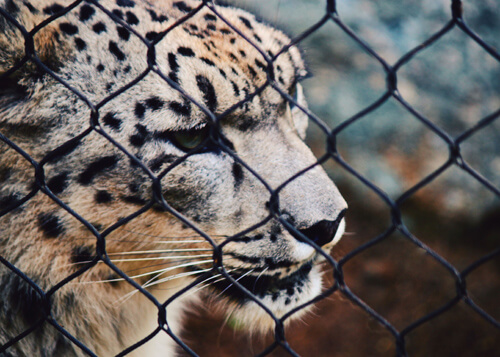
When designing animal enclosures for zoos, wildlife sanctuaries, farms, or private properties, one of the most critical decisions involves choosing the right fencing material. The ideal solution must accomplish several goals simultaneously: it must keep animals safely contained, protect them from predators and harsh environmental conditions, withstand years of wear and tear, and maintain an aesthetically pleasing appearance that enhances rather than detracts from the natural environment. Traditional materials like heavy gauge chain-link fencing, wooden barriers, or concrete walls have served these purposes for decades, but they come with significant drawbacks including rust accumulation, visual obstruction, and costly maintenance requirements. Enter stainless steel animal fence rope mesh, a modern solution that has revolutionized animal enclosure design across the globe. This flexible, durable, and visually transparent material has become the gold standard for facilities that prioritize both animal welfare and visitor experience, offering an unprecedented combination of strength, longevity, and aesthetic appeal that simply cannot be matched by conventional fencing materials.
What Makes Stainless Steel Rope Mesh Different
Stainless steel animal fence rope mesh represents a sophisticated advancement in enclosure construction technology, distinguished from traditional fencing by its unique construction method and material properties. Unlike welded wire panels or chain-link fencing that create rigid, uniform grids, stainless steel rope mesh is constructed from multiple individual wire ropes that are either mechanically crimped together using ferrules or inter-woven in specialized patterns to create a flexible yet incredibly strong netting system. The result is a material that maintains its structural integrity under extreme stress while simultaneously offering the flexibility to conform to virtually any shape or contour required by the installation site.
The quality of stainless steel rope mesh is fundamentally determined by the grade of stainless steel used in its production, with AISI 304 and AISI 316 representing the two most commonly available options for animal enclosure applications. Grade 304 stainless steel, often referred to as “18/8” stainless steel because of its composition containing approximately 18% chromium and 8% nickel, provides excellent corrosion resistance and represents the industry standard for most applications. For installations in coastal environments where salt spray and marine air accelerate corrosion, or in facilities that regularly sanitize enclosures with harsh chemicals, Grade 316 stainless steel offers superior protection due to the addition of molybdenum, which dramatically improves resistance to pitting and crevice corrosion. While Grade 316 commands a premium price, the investment proves worthwhile for facilities facing challenging environmental conditions, as the enhanced durability ensures decades of reliable service without the maintenance headaches associated with material degradation.
Key Benefits of Flexible Zoo Mesh for Animal Enclosures
The advantages of incorporating stainless steel animal fence rope mesh into enclosure designs extend far beyond mere durability, encompassing animal welfare considerations, maintenance requirements, and overall visual impact that influence both facility operations and visitor satisfaction. Understanding these multifaceted benefits helps facility managers, architects, and contractors make informed decisions about their enclosure investments.
Exceptional Durability and Longevity
One of the most compelling arguments for selecting stainless steel rope mesh over alternative materials lies in its extraordinary lifespan, which routinely exceeds thirty years of reliable service when properly installed and maintained. Unlike galvanized steel fencing that loses its protective zinc coating over time, leading to rust formation and eventual structural failure, stainless steel forms a passive chromium oxide layer on its surface that continuously protects the underlying metal from corrosion. This inherent corrosion resistance means that stainless steel animal enclosure fencing maintains its structural integrity and appearance regardless of exposure to rain, snow, humidity, temperature fluctuations, or ultraviolet radiation. Facilities that invest in quality stainless steel mesh find themselves freed from the cycle of repair and replacement that plagues owners of cheaper fencing materials, resulting in substantial long-term cost savings despite the higher initial investment.
The tensile strength of stainless steel rope mesh represents another significant advantage, with high-quality products capable of withstanding forces that would tear or deform conventional fencing materials. A typical installation using wire rope netting with a 2mm wire diameter and 50mm aperture can resist breaking loads exceeding 500 kilograms per individual rope, while larger configurations using heavier gauge wire provide even greater strength reserves. This exceptional strength ensures that even large, powerful animals cannot breach the enclosure through force or attempted escape, providing peace of mind for facility managers responsible for animal safety and public protection.
Flexibility and Design Versatility
Unlike rigid panel systems that require straight lines and right angles, flexible zoo mesh can be installed along curved paths, wrapped around trees and natural features, or configured to create complex three-dimensional structures including tunnels, bridges, and overhead enclosures. This flexibility proves particularly valuable when designing habitats that incorporate existing landscape features, as the mesh can follow the natural contours of the terrain rather than imposing artificial geometric shapes that detract from the naturalistic appearance of the enclosure. Primates and other arboreal species benefit enormously from mesh systems that can be configured into complex enrichment structures, while aviary installations can incorporate roof systems that safely contain flighted birds without obstructing natural light or views.
The adaptability of stainless steel rope mesh also simplifies installation in challenging locations where conventional fencing would require extensive site preparation, custom fabrication, or specialized equipment. Whether installing along slopes, around irregular rock formations, or across water features, experienced installation teams can work with the inherent flexibility of rope mesh to achieve secure containment without the need for extensive earthworks or structural modifications to the site. This versatility translates directly to reduced installation costs and faster project completion timelines compared to projects requiring custom-fabricated rigid panels or complex structural frameworks.
Visual Transparency and Enhanced Visitor Experience
Perhaps the most immediately noticeable difference between stainless steel animal enclosure fencing and traditional materials lies in the exceptional visual transparency that rope mesh provides. When viewed from a distance, the thin wire ropes and open apertures of quality mesh systems create an almost invisible barrier that allows unobstructed sightlines between visitors and animals. This transparency dramatically enhances the visitor experience at zoos and wildlife parks, where photography and animal observation constitute primary motivations for attendance. Families can view animals without the visual interference of chain-link fencing or the oppressive presence of barred cages, creating more engaging and memorable experiences that translate to higher visitor satisfaction and increased repeat visitation.
The psychological impact of transparent enclosure boundaries extends beyond visitor comfort to positively influence animal welfare as well. Animals housed in mesh enclosures experience reduced visual barriers that allow for more natural interactions with their environment, including views of other animals, visitors, and surrounding landscapes. This environmental enrichment contributes to more active, engaged animal behavior that visitors find more compelling to observe, creating a positive feedback loop that benefits both animal welfare and visitor experience.
Safety Considerations for Animals and Keepers
The smooth surface of stainless steel rope mesh eliminates the sharp edges and burrs that can injure animals who rub against or contact their enclosure boundaries. Unlike welded wire panels where rust and corrosion can create hazardous protrusions, or chain-link fencing where exposed wire ends and sharp selvage edges pose injury risks, properly finished stainless steel mesh presents a smooth, animal-safe surface that protects delicate fur, feathers, and skin from abrasion and injury. This safety characteristic proves particularly important for species with specialized grooming behaviors or those prone to rubbing against enclosure boundaries during periods of stress or enclosure change.
From a keeper safety perspective, stainless steel animal fence rope mesh provides secure containment while allowing clear visibility for monitoring animal behavior and conducting routine observations. The open construction permits unobstructed sightlines through the enclosure, enabling keepers to identify potential health concerns, behavioral issues, or equipment problems without the visual obstructions created by solid barriers or heavily textured fencing materials. Additionally, the modular nature of rope mesh installations allows for the creation of gates, service access points, and maintenance openings that maintain security while facilitating the daily operations essential to animal care.
Practical Applications Across Different Settings
The versatility of stainless steel rope mesh has led to its adoption across a remarkable range of animal containment applications, from commercial zoo facilities to private estate installations and agricultural operations. Each application area presents unique requirements that the adaptability of rope mesh can address effectively.
Aviary installations represent one of the most common applications for stainless steel animal enclosure fencing, where the combination of lightweight construction, excellent transparency, and superior strength creates ideal conditions for housing flighted bird species. Whether constructing walk-through aviaries that allow visitors to move among free-flying birds or creating individual enclosures for large raptors and waterfowl, wire rope netting provides the security necessary to contain powerful flight muscles while maintaining the open, airy environment that birds require for physical and psychological wellbeing. The material’s resistance to bird droppings and associated uric acid makes it particularly well-suited to aviary applications where conventional materials would rapidly deteriorate under the harsh biological environment.
Big cat and predator enclosures benefit enormously from the strength and durability characteristics of stainless steel mesh systems, as these powerful animals can generate forces that would destroy lesser materials. Tigers, lions, leopards, and other large predators require enclosure fencing capable of withstanding climbing, jumping, and charging behaviors without failure, and stainless steel rope mesh provides substantial safety margins under these extreme loading conditions. The transparency of mesh enclosures also enhances visitor viewing opportunities at big cat exhibits, where clear sightlines to these magnificent animals create powerful emotional connections that support conservation education goals.
Agricultural and livestock applications for stainless steel animal fence rope mesh have expanded significantly as farmers and ranchers recognize the superior protection these systems provide against predators. Unlike conventional livestock fencing that often requires frequent repair following damage from wildlife intrusion or domestic animal interaction, stainless steel mesh installations provide durable, long-lasting protection for cattle, sheep, goats, and poultry operations. The visibility of rope mesh also allows farmers to quickly identify potential breach points or damage requiring attention, while the material’s resistance to vegetation growth reduces the maintenance burden associated with fence lines in rural environments.
Choosing the Right Configuration for Your Project
Selecting the appropriate specifications for stainless steel animal fence rope mesh requires careful consideration of several interrelated factors, including the species being contained, environmental conditions at the installation site, and aesthetic preferences that influence the overall design concept. Working with experienced suppliers who understand these parameters helps ensure that the selected mesh configuration provides adequate safety margins while optimizing material costs for the project budget.
Mesh aperture, or the size of the openings in the finished netting, directly influences both the containment effectiveness and visual transparency of the installation. Smaller apertures provide greater security for small species that might escape through larger openings but necessarily reduce the overall transparency of the enclosure. Conversely, larger apertures maximize visibility and airflow but must be carefully selected to ensure that contained animals cannot squeeze through or become entangled in the mesh structure. As a general guideline, the aperture dimension should be small enough to prevent the contained species from escaping while maintaining the largest practical openings that support the desired visual characteristics and budget constraints.
Wire diameter represents another critical specification that affects both strength and appearance, with heavier gauge wires providing greater strength reserves but creating a more visually prominent barrier structure. While thin wire constructions appear more elegant and transparent, they may prove inadequate for containing powerful species or installations subject to heavy snow loads or other environmental stresses. The optimal wire diameter balances these competing considerations to provide adequate strength for the intended application while maintaining the aesthetic qualities that make rope mesh an attractive choice for modern enclosure design.
Making the Investment Decision
While the initial cost of stainless steel animal fence rope mesh exceeds that of conventional fencing materials, the total cost of ownership analysis strongly favors this premium material for serious animal enclosure applications. The extended service life measured in decades rather than years eliminates the replacement cycle costs that burden owners of lesser materials, while the minimal maintenance requirements reduce ongoing labor and material expenses that can escalate quickly for facilities using materials requiring regular attention. When animal welfare, visitor experience, and long-term operational efficiency factor into the investment equation, stainless steel mesh emerges as the clear choice for facilities committed to excellence in animal care and habitat design.
For those ready to explore how stainless steel animal fence rope mesh can transform their enclosure projects, connecting with experienced suppliers who can provide technical guidance, custom specifications, and quality-assured products represents the essential next step. The right partner brings not only material expertise but also installation knowledge accumulated across countless successful projects, helping clients navigate the specification and implementation challenges that accompany any significant enclosure construction effort.